


A relocation weekend is about more than touring houses—it is a chance to test the rhythms that shape an ordinary Tuesday. These eight Fort Smith stops can help you compare routes, amenities, outdoor space, local history, and housing settings before narrowing your search. Bring a notebook, leave room for an unplanned detour, and pay attention to the practical details that make a place feel workable.
Start With the Routes You Would Actually Use
Fort Smith rewards a practical first look. Before scheduling a full day of showings, drive the routes between potential home areas and the places you expect to visit regularly. Notice where major corridors such as Interstate 540, Rogers Avenue, Phoenix Avenue, and Zero Street connect, then compare the experience during different parts of the day. A map can show distance, but it cannot show how a turn lane, school-zone timing, bridge crossing, or a preferred grocery stop fits into your routine.
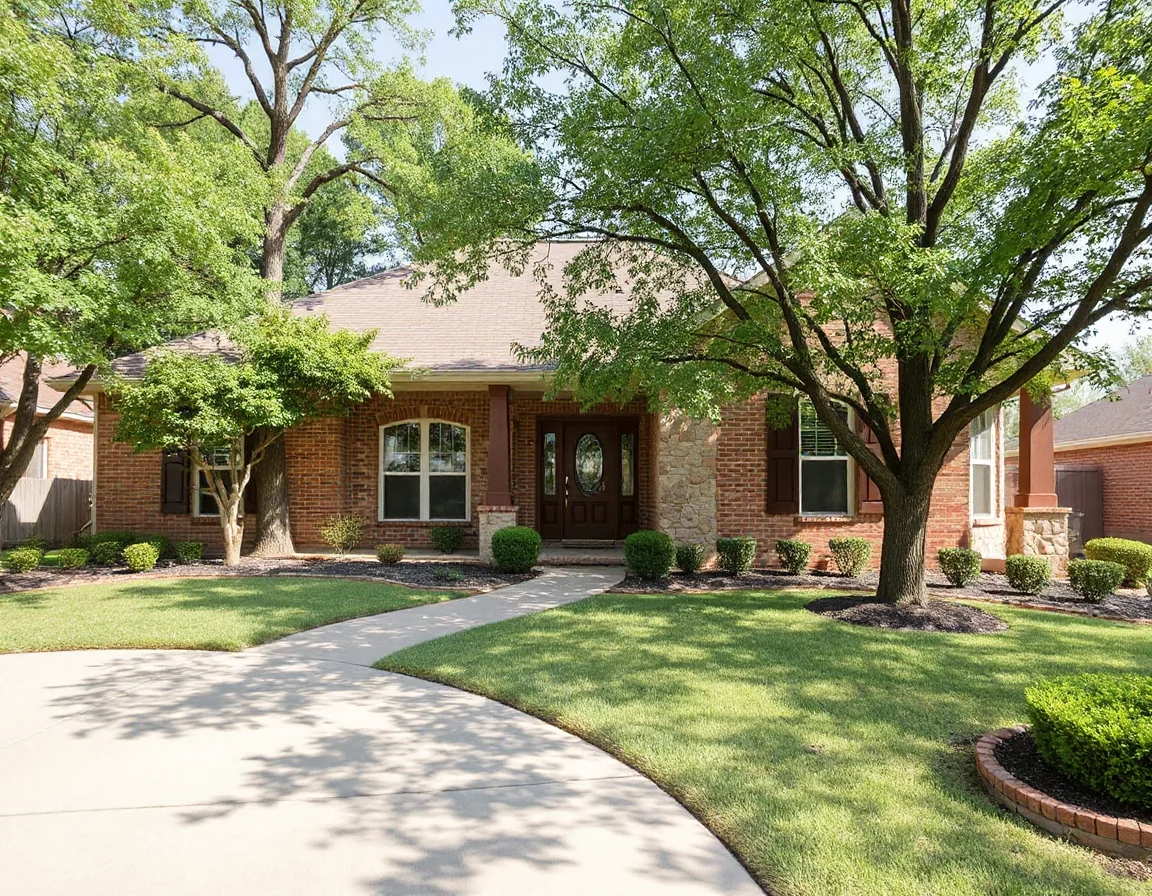
Stop 1: A morning drive through the areas on your list. Begin near the property types that interest you, whether that means an established neighborhood close to central Fort Smith, a newer setting near Chaffee Crossing, or a home with a little more space on the city’s edge. Keep the radio off for part of the drive. Road noise, traffic flow, street lighting, and the number of turns required are all useful observations when comparing locations.
Stop 2: A grocery and errand run. Pick up coffee, visit a grocery store, and locate a pharmacy, hardware store, or other service you use often. The goal is not to judge one business; it is to understand the convenience pattern around each search area. A home can have an appealing kitchen or yard, but daily errands are part of the ownership equation too.
Try driving one likely route twice: once in the morning and once in the late afternoon. The difference can clarify which locations best match your preferred schedule.
As you drive, take notes on the housing details that matter to you: lot size, sidewalks, tree cover, home age, garage placement, and whether homes appear to have been updated or retained their original character. These observations help make a later conversation about pricing and market conditions much more specific.
Use Fort Smith’s Landmark Stops to Understand the City
Fort Smith has a layered identity shaped by the Arkansas River, military history, transportation, and regional commerce. Spending time at its public landmarks adds context that listing photos cannot provide. These stops are also an easy way to see how close different home areas are to trails, cultural spaces, green space, and gathering places.
Stop 3: Fort Smith National Historic Site. Set aside time to walk the grounds near the river and explore the setting around the former military post and historic courthouse. The site provides a tangible sense of the city’s frontier history and its connection to the Arkansas River. Even if history is not your main interest, the visit helps orient you to the older core of Fort Smith and the street network surrounding it.
Stop 4: The U.S. Marshals Museum area. The museum’s river-adjacent setting offers another perspective on how Fort Smith is investing in cultural destinations and public-facing spaces. Walk the surrounding grounds, look at parking and access, and consider how often you might use nearby trails or riverfront amenities. It is an especially useful stop for understanding the city’s western edge and connections toward the river.
Stop 5: The Arkansas River trail and riverfront. Take a relaxed walk or bike ride along a section of the trail. This is not a test of athletic ability; it is a way to experience the open views, changing light, and outdoor options available close to the city. Trails can be a meaningful amenity for anyone who values a regular walk, a bike ride, or a place to pause outdoors without leaving town.
While you are near the river, notice the topography and the transition between established streets, civic spaces, and newer improvements. A relocation decision is often easier when you understand how individual neighborhoods fit into the broader geography of the city.
Spend an Afternoon in Everyday Gathering Places
After checking major routes and landmarks, turn toward the places where residents handle leisure time, local events, and casual meetups. Fort Smith offers a mix of longstanding parks, community venues, and walkable blocks where a short visit can reveal the pace of the city. Look for details such as shade, benches, trail access, parking, and the general condition of public spaces.
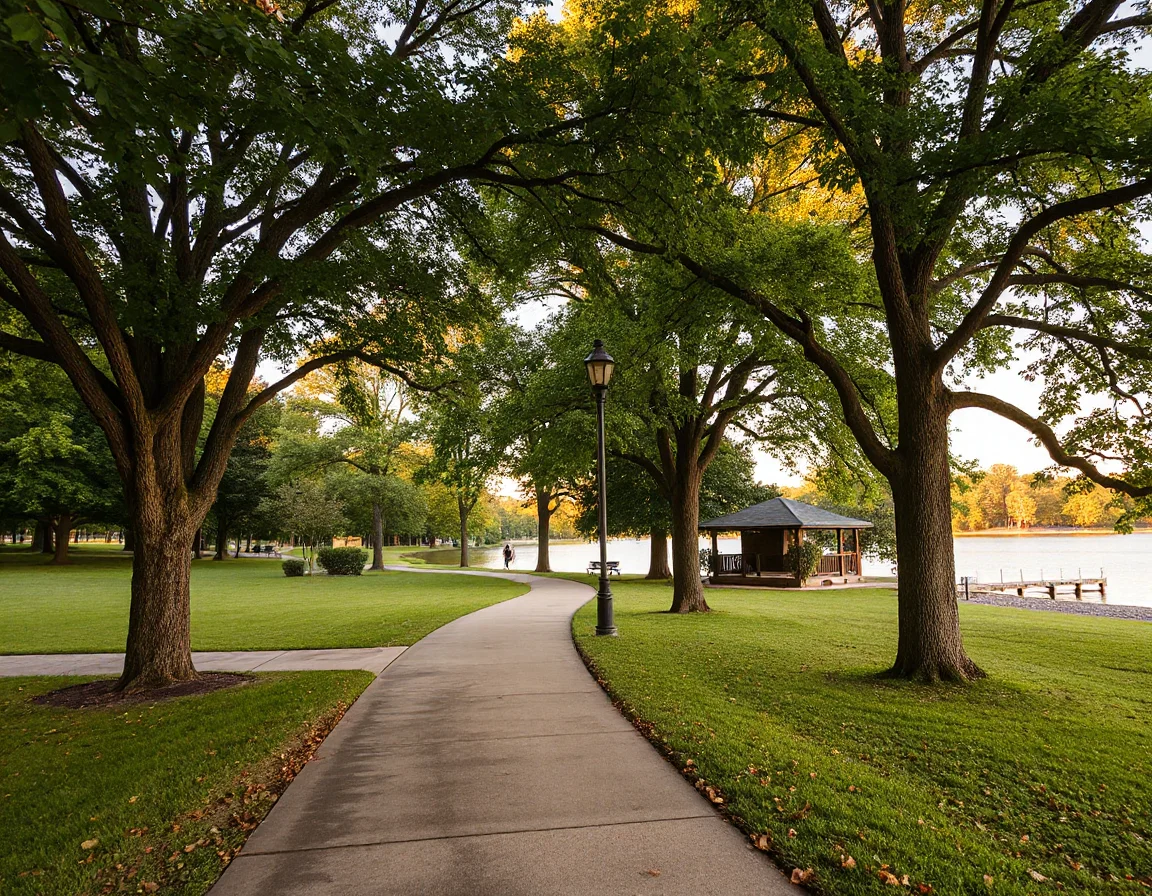
Stop 6: Creekmore Park. This centrally located park is a useful stop for seeing an established public recreation setting in the heart of the city. Walk the paths, observe the open areas, and take note of how long it takes to reach the park from homes you are considering. Public green space is not simply a checkbox on a listing sheet; it can become part of a weekly routine.
Stop 7: Garrison Avenue and the historic central district. Spend time walking a few blocks, especially if you enjoy local events, dining options, historic architecture, or community programming. Rather than trying to see everything, choose one meal or beverage stop and watch the rhythm of the street. This is also a good time to notice building styles, public art, parking patterns, and the relationship between the older urban core and nearby residential streets.
For a seasonal version of this stop, check the schedule for the Fort Smith Farmers Market. A market morning can provide a quick view of regional produce, artisan goods, and community activity. Event calendars change, so treat this as an optional addition rather than a required part of your visit.
The most revealing stops are often ordinary ones: a park bench, a grocery aisle, a ten-minute drive, or a walk around a block after dinner.
Stop 8: Chaffee Crossing. Explore the evolving development area on the city’s east side, where former military land has been adapted for homes, businesses, employment centers, and public uses. The scale and newer infrastructure can feel distinctly different from older sections of Fort Smith. Driving through the area helps you compare development patterns, road access, and the types of homes available across the local market.
Turn a Weekend Visit Into a Better Home Search
By the end of the weekend, organize your notes around priorities rather than impressions alone. Separate non-negotiables—such as budget, bedroom count, workspace needs, lot preferences, or a particular commute—from amenities that would simply be nice to have. Then compare what you observed with current listing availability. Fort Smith can offer a wide range of property styles, from historic homes and established neighborhoods to newer construction and homes with more land, but each segment may move differently depending on price point and condition.
It is also helpful to write down questions that came up during the visit. Perhaps one area felt more convenient than expected, a home style appealed to you in person, or a route changed your assumptions about location. Those are valuable starting points for a focused search and a pricing discussion grounded in current market conditions rather than general online estimates.
A thoughtful weekend does not have to answer every question. Its purpose is to replace vague ideas with useful comparisons: which routes feel manageable, which public spaces you might revisit, which home settings fit your priorities, and where the city’s amenities connect to daily life. With those details in hand, you can approach tours and negotiations with more confidence and a clearer definition of what home means to you in Fort Smith.