


A purchase budget of $150,000 to $250,000 can open meaningful possibilities in Van Buren, but the list price is only the first number to understand. These seven moves help buyers compare total monthly costs, focus a home search, and keep room for inspections, repairs, and a confident closing decision.
Build the Budget Around the Whole Monthly Payment
Finding a home in the $150,000 to $250,000 range starts with a number that is more useful than a headline price: the full monthly housing payment. That includes principal and interest, property taxes, homeowners insurance, and, when applicable, mortgage insurance or homeowners association dues. Two homes with similar prices can carry noticeably different monthly costs depending on tax assessments, insurance quotes, loan terms, and the size of the down payment.
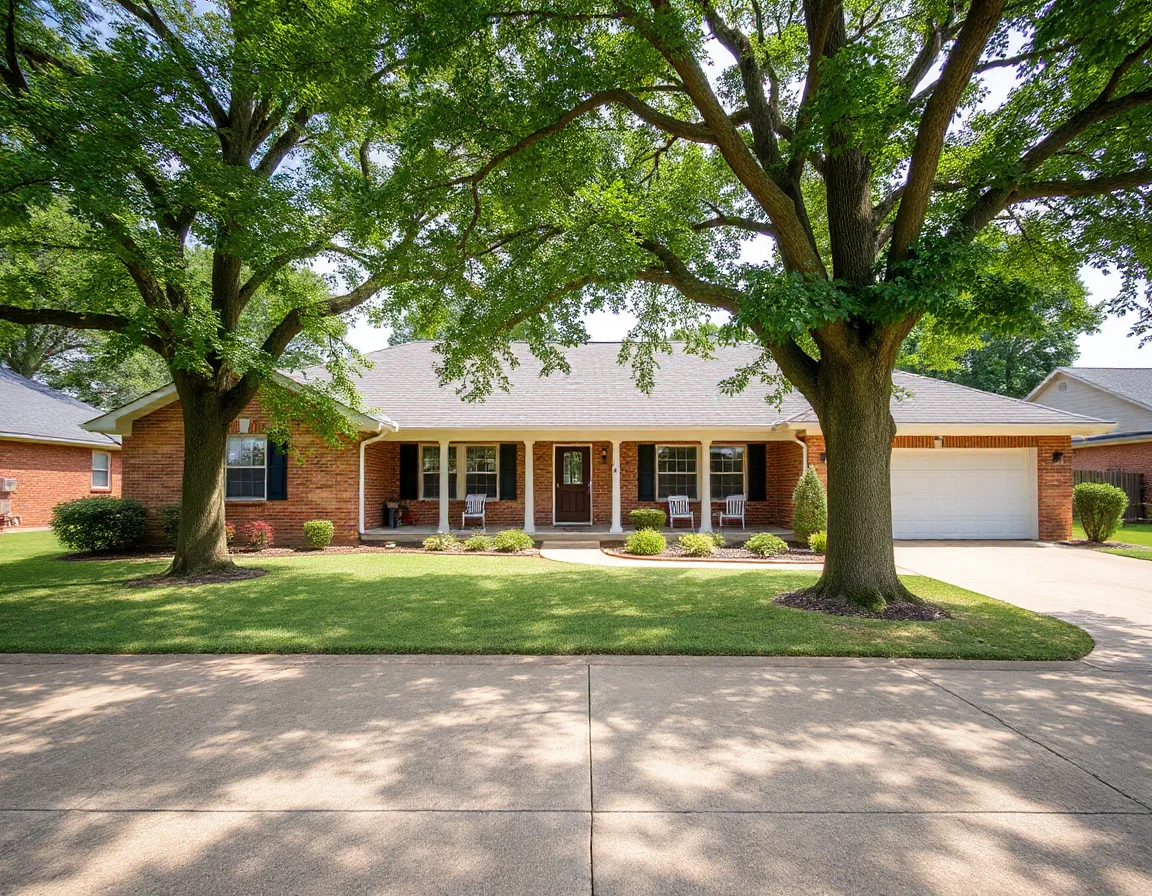
Move one: choose a payment comfort zone before touring homes. A lender can help estimate borrowing options, but buyers should also leave room in the household budget for utilities, maintenance, transportation, savings goals, and ordinary life expenses. A loan approval is an important milestone; it does not have to become the ceiling for every offer.
Move two: ask for estimates using a few different down-payment scenarios. A larger down payment can reduce the loan amount and may affect mortgage insurance, while a smaller down payment may preserve cash for closing costs, repairs, or reserves. There is no single right approach. Comparing the monthly difference alongside the cash needed at closing makes the tradeoffs visible.
A budget that includes a repair reserve is often more flexible than one that uses every available dollar at closing. Even a well-kept home can need a small repair, a service call, or a seasonal maintenance project soon after move-in.
For a Van Buren search, it also helps to request insurance estimates early rather than treating them as a final-week detail. Coverage costs can vary by the home’s age, roof condition, construction, deductible choices, and insurer. Getting a preliminary quote on a serious candidate gives buyers a clearer picture before they are deep into the contract process.
Use the Price Range to Set Practical Search Priorities
A clear wish list turns a broad price range into a more efficient search. In this budget band, buyers may encounter different property ages, lot sizes, layouts, and update levels. Some homes may offer more finished space but need near-term improvements; others may be more recently updated with a smaller footprint or fewer optional features. The goal is not to find a “perfect” property, but to identify the features that will matter most after closing.

Move three: divide preferences into “must have,” “strong preference,” and “can improve later.” Structural concerns, location, bedroom count, accessibility needs, lot characteristics, and commute patterns are often difficult or expensive to change. Cosmetic details such as paint colors, light fixtures, landscaping, or cabinet hardware may be easier to address over time. This simple sorting exercise keeps each showing focused.
Move four: compare homes by condition as well as price. A lower-priced listing may provide room for upgrades, but buyers should estimate those projects realistically. Roof age, HVAC maintenance, drainage, electrical systems, windows, appliances, and visible deferred maintenance all deserve attention. A professional inspection adds a more detailed view once a property is under contract.
Van Buren’s access to regional employment centers, local services, outdoor areas, and nearby Fort Smith can make commute routes and daily errands part of the decision. Tour at different times when possible, map the routes that matter to you, and look at practical details such as parking, street access, shade, drainage, and storage. Those everyday observations can be as valuable as a polished listing photo.
Protect the Offer With Research, Inspection, and Negotiation
Move five: study recent comparable sales with your real estate professional before deciding on an offer. List prices can reflect seller expectations, current competition, property condition, or time on market. Recent closed sales, active inventory, and the specific features of the home provide more useful context than a broad citywide average. Chuck Fawcett Realty can help buyers interpret pricing trends and market conditions as they narrow their choices.
Move six: plan the offer terms before the right home appears. Price matters, but so do financing terms, the requested closing timeline, inspection contingencies, earnest money, and any seller concessions permitted by the loan program. Buyers who understand these options ahead of time can respond with less pressure when a promising listing becomes available.
An inspection period is not simply a pass-or-fail event. It is an opportunity to understand the property’s systems, maintenance needs, and material concerns. Focus on health, safety, major components, and expenses that could affect the budget. Smaller imperfections are common in homes of every age, and a practical perspective helps distinguish routine upkeep from issues requiring further evaluation or negotiation.
Move seven: keep a decision file for each home. Save the listing details, estimated payment, insurance quote, notes from the tour, likely repair costs, and questions for the inspector. When comparing several properties, this record can prevent a quick emotional reaction from outweighing the facts. It also makes it easier to see which home best aligns with your budget and priorities.
Prepare for Closing Without Losing Sight of the Long Term
Closing costs, prepaid insurance, lender fees, title-related charges, and potential inspection expenses should be part of the plan from the beginning. Depending on the loan and contract terms, buyers may be able to request certain seller-paid costs, but those possibilities should be discussed in the context of the offer and current market conditions. A lender and real estate professional can explain the estimates that apply to a particular purchase.
After closing, maintain a simple home calendar. Schedule seasonal HVAC service, check gutters and drainage, review exterior caulking, and set aside funds for expected replacement items. Regular maintenance can help buyers protect the home’s condition while avoiding the surprise of several deferred projects at once.
The most useful first-home budget is not the one that stretches furthest; it is the one that supports an informed purchase and leaves room for the responsibilities of ownership. With a clear payment target, disciplined search criteria, professional inspections, and thoughtful negotiation support, buyers can approach Van Buren opportunities with a practical plan and a stronger sense of control.